Order Fulfilment In-house vs Outsourcing
Published
In-house vs Outsourcing
Starting your own independent business is an exciting journey. You explore new opportunities, build something that feels genuinely yours, and gain a perspective on commerce that few jobs can match. The flipside is that you find yourself spinning a lot of plates at once, managing customer experience, developing products, building the brand, and on top of all that, getting every order out the door.
Keeping everything in-house can feel like the right call when you want full control over quality and brand. The problem is that it eventually starts to stifle the business. You stop having time for the work that actually grows the company, or you simply run out of physical space.
The way to win that time back is to outsource.
When you move into the world of eCommerce, deciding who processes your orders is one of the most important early calls you will make. It affects customer satisfaction, repeat business, and how easily your operation can scale. This is where fulfilment centres come in. They handle all of the required fulfilment services like: picking, packing, storage, and dispatch for you, so you can get back the hours you would otherwise lose to admin.
So what does outsourcing actually look like in practice, and how does it compare to keeping everything in-house? Here is a side-by-side breakdown of the key areas you should think about.
Orders
In-house
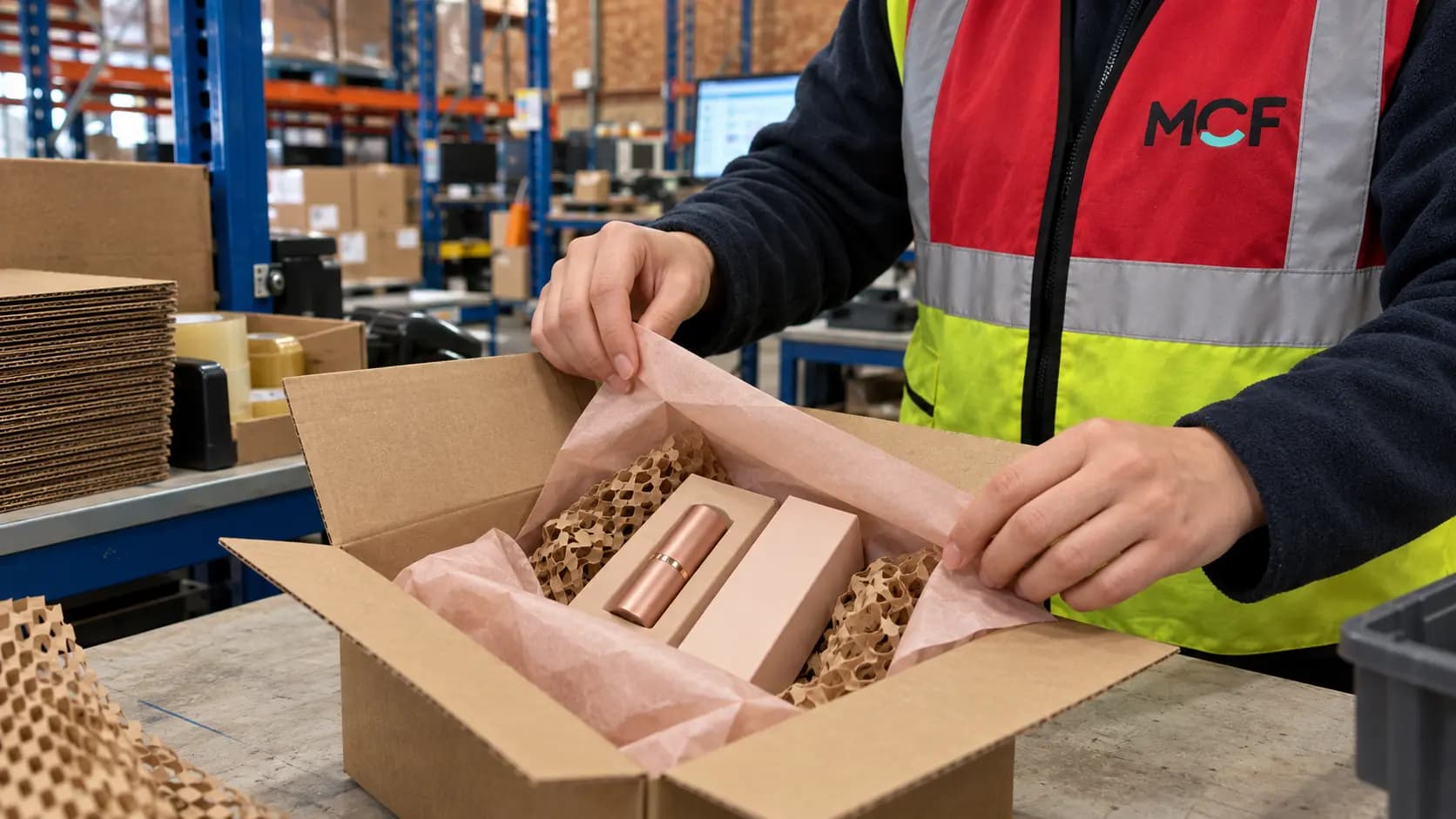
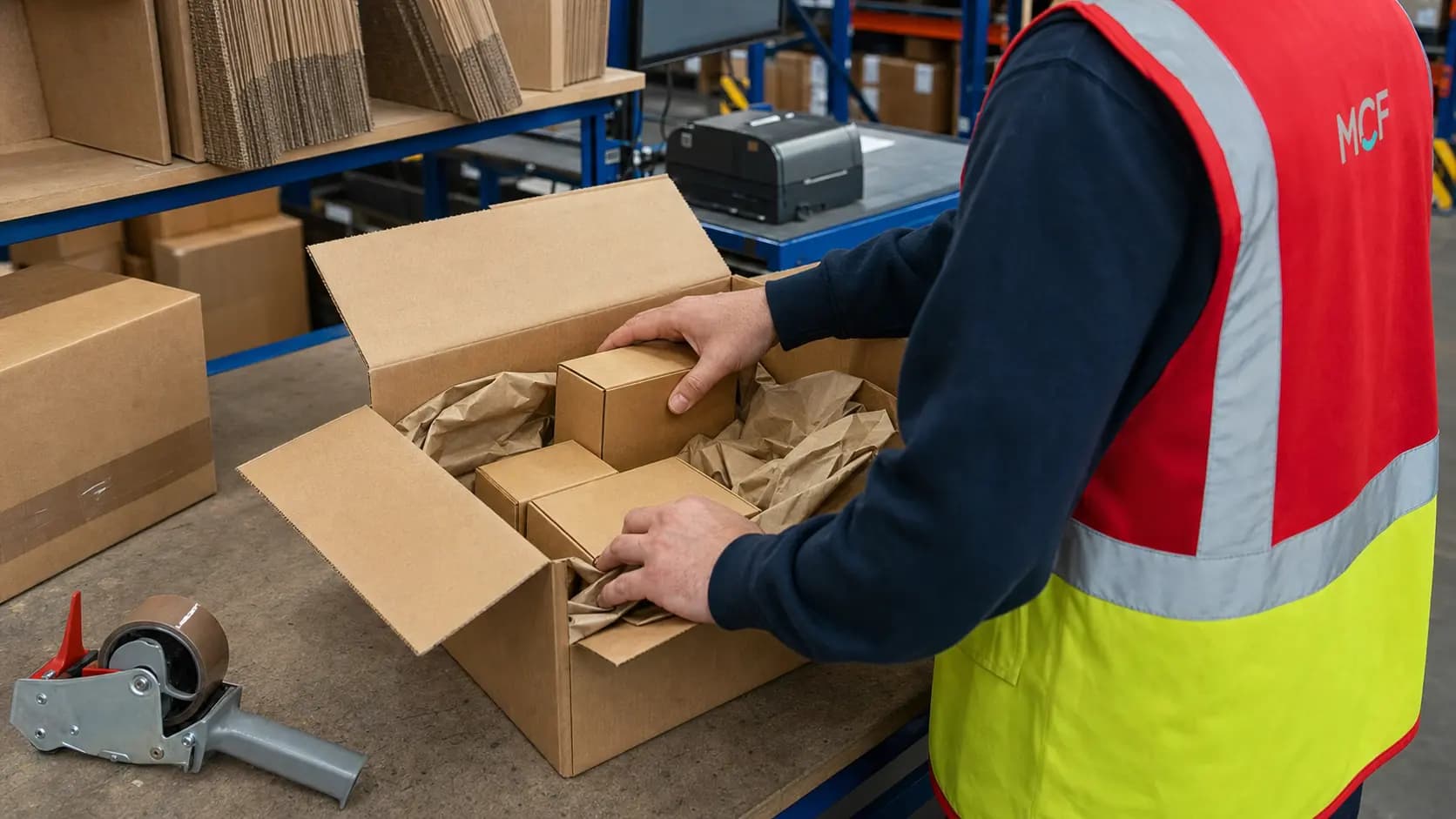
Handling orders yourself eats into a surprising number of hours. You are keeping on top of consumables (boxes, tape, void fill), separating single-line orders from multi-item orders to make sure picks are accurate, and physically dropping parcels at your local depot or post office. None of it is glamorous, and all of it adds up, often more quickly than you would expect. Those are hours you could have spent on marketing, product development, or building partnerships.
Outsourcing
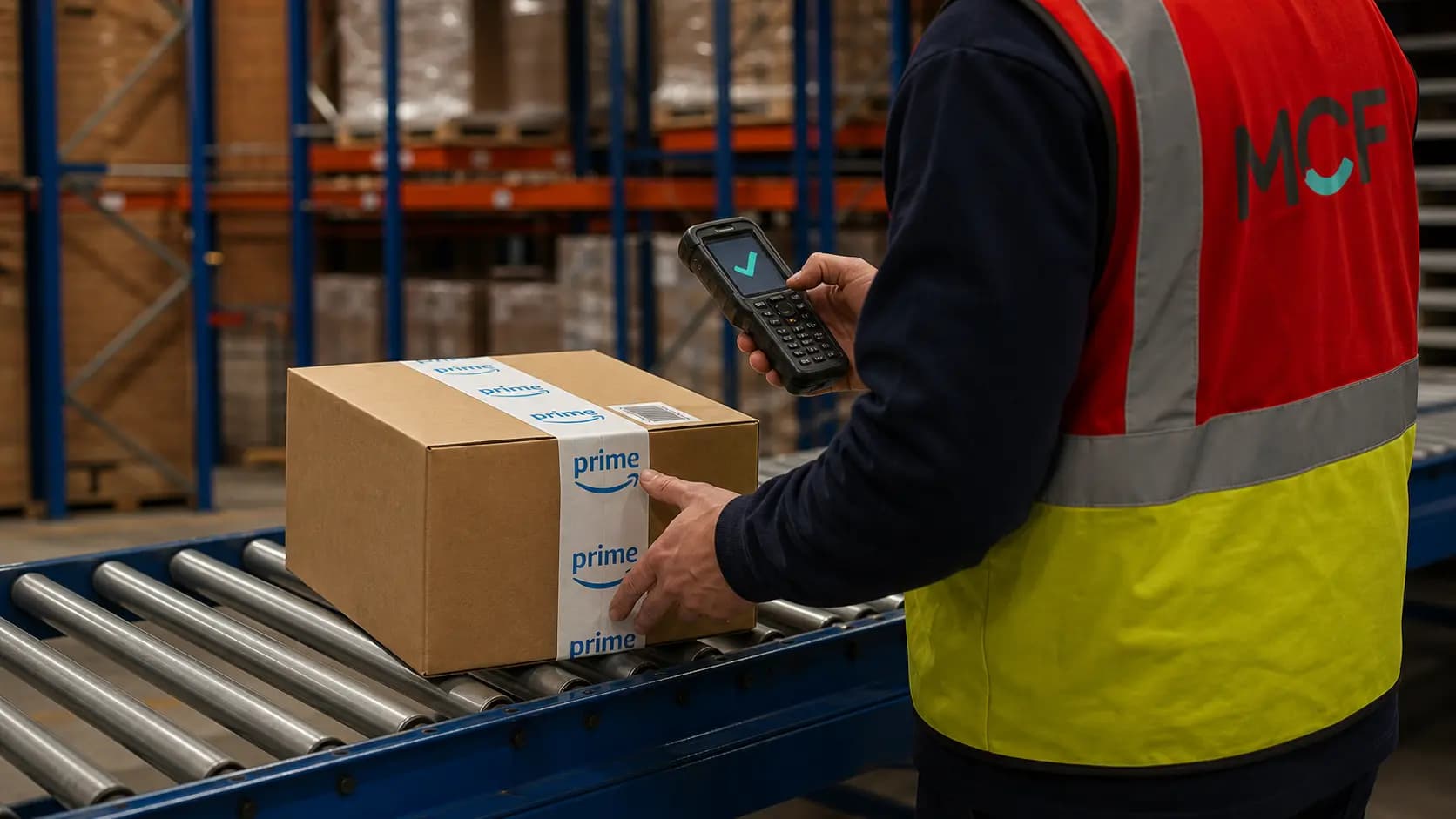
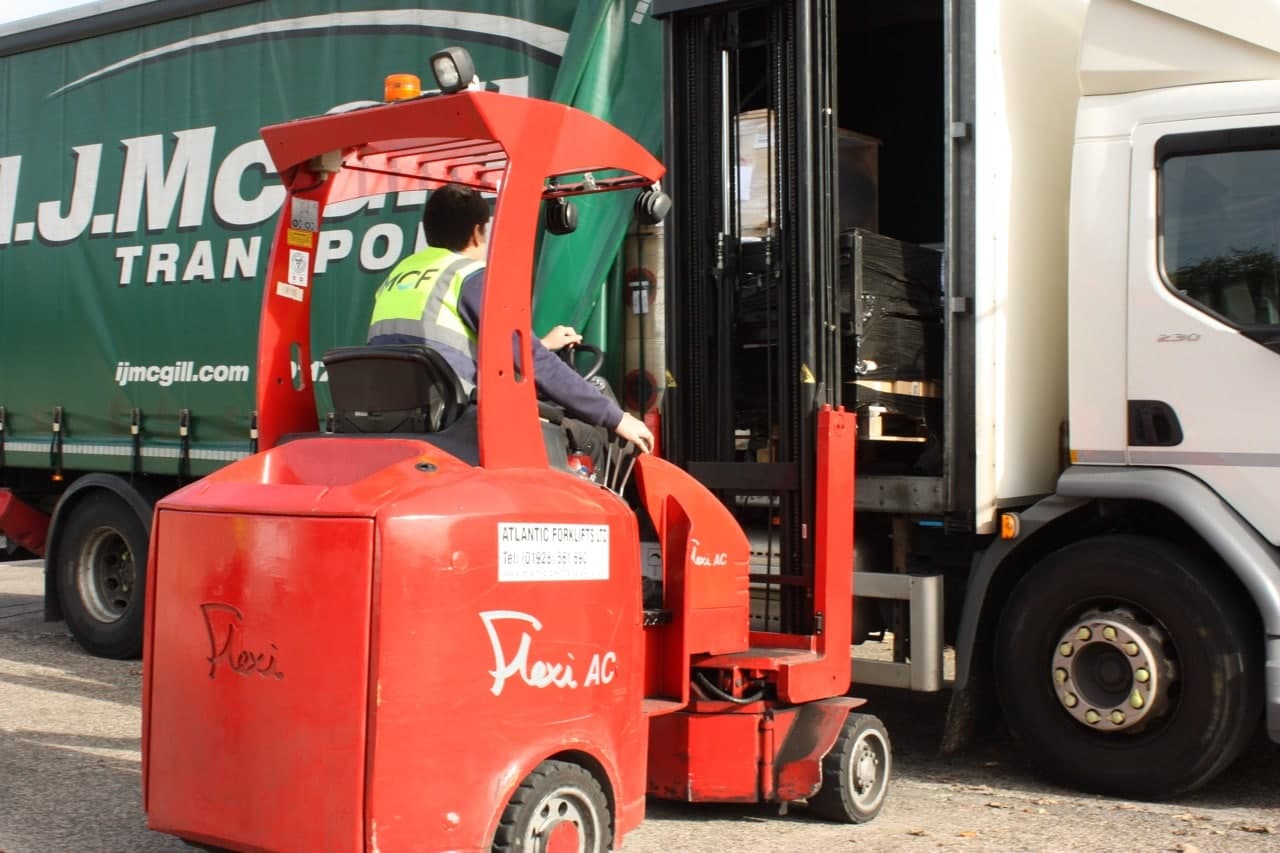
A third-party fulfilment centre takes picking, packing, storage, dispatch, and even container handling off your plate. A dedicated team gets every order out the door quickly and accurately, supported by software that pulls orders directly from your sales channels and updates them with tracking references as soon as they ship. Most fulfilment centres can also include your branded packaging, inserts, and invoices, so each order still feels like it left your own hands.
Returns
In-house
Returns are an unavoidable part of selling online. Items can come back because they are faulty, because the customer changed their mind, or because the courier could not make the delivery due to an incorrect address. Whatever the reason, how quickly and smoothly you handle the return often decides whether that customer comes back to buy from you again. For limited-stock products, turning a return around fast also matters commercially; the sooner the item is checked, restocked, and re-listed, the sooner you recover the revenue.
Outsourcing
Listing the fulfilment centre’s address as your returns address means parcels never end up coming back to you. They are processed in a separate area of the warehouse by a dedicated team, so there is no confusion between returned stock and outgoing orders. Every returned item is checked for damage or signs of use and then either restocked or reported, depending on its condition. Any courier-side issues, such as damage in transit or lost parcels, can also be claimed by the centre’s customer service team, so you are not left absorbing those losses.

Dispatch
In-house
Understanding the different delivery formats (large letter, small parcel, standard parcel, oversized) and knowing which goods are restricted on which services is harder than it looks. So is negotiating volume discounts with couriers, or getting late collection slots that let you extend your same-day dispatch cut-off. Doing all of this on your own parcel volumes usually means you are paying more than you should and cutting orders off earlier than necessary, both of which quietly chip away at your margin.
Outsourcing
Fulfilment centres are pushing parcels out to couriers all day, every day, and they work with a wide range of carriers without making you set up accounts with each one. They can route lighter items to the cheapest service that still meets the delivery promise, and they can switch carriers on the fly if there are delays or strikes affecting one network. Their software also gives you live tracking visibility, so customer service questions become much faster to answer.
Inventory Control
In-house
Carving out workspace for stock alongside your normal day-to-day operations is a constant pressure. Without proper inventory software, it is easy for the numbers on your store to drift away from what is actually on the shelf, and the result is oversold orders, customer complaints, and refunds you did not see coming.
Outsourcing
Most fulfilment centres run monthly stock checks as standard, with ad-hoc counts available when you need them, and your live inventory is always visible through their software. That gives you a clear, accurate view of how much stock you hold, what is running low, and what you need to reorder, without ever lifting a clipboard.
Summary on In-house vs Outsourcing
If time or space is the thing holding your business back, outsourcing your fulfilment is one of the highest-impact decisions you can make. At MCF, we step into that role for brands ready to grow, handling orders, returns, dispatch, and inventory so you can focus on the work that only you can do. Whether you sell on Shopify, through Amazon, or across multiple channels, we can take fulfilment off your hands and give you your time back. Get in touch to talk it through.